Connecticut Boating Regulations
August 8, 2011
In every state with federally controlled waters there are usually two sets of regulations you must follow, those enforced by the United States Coast Guard and those of the state. In Connecticut, the Department of Environmental Protection is responsible for writing and enforcing our regulations. Those regulations are then adopted in whole by each city, town or municipality who in turn, add their own local regulations. All of these regulations, (federal and state) can be found in the 06’ edition of the Connecticut Boaters Guide, available on line at www.dep.state.ct.us or any DEP office or Coast Guard Auxiliary Flotilla.
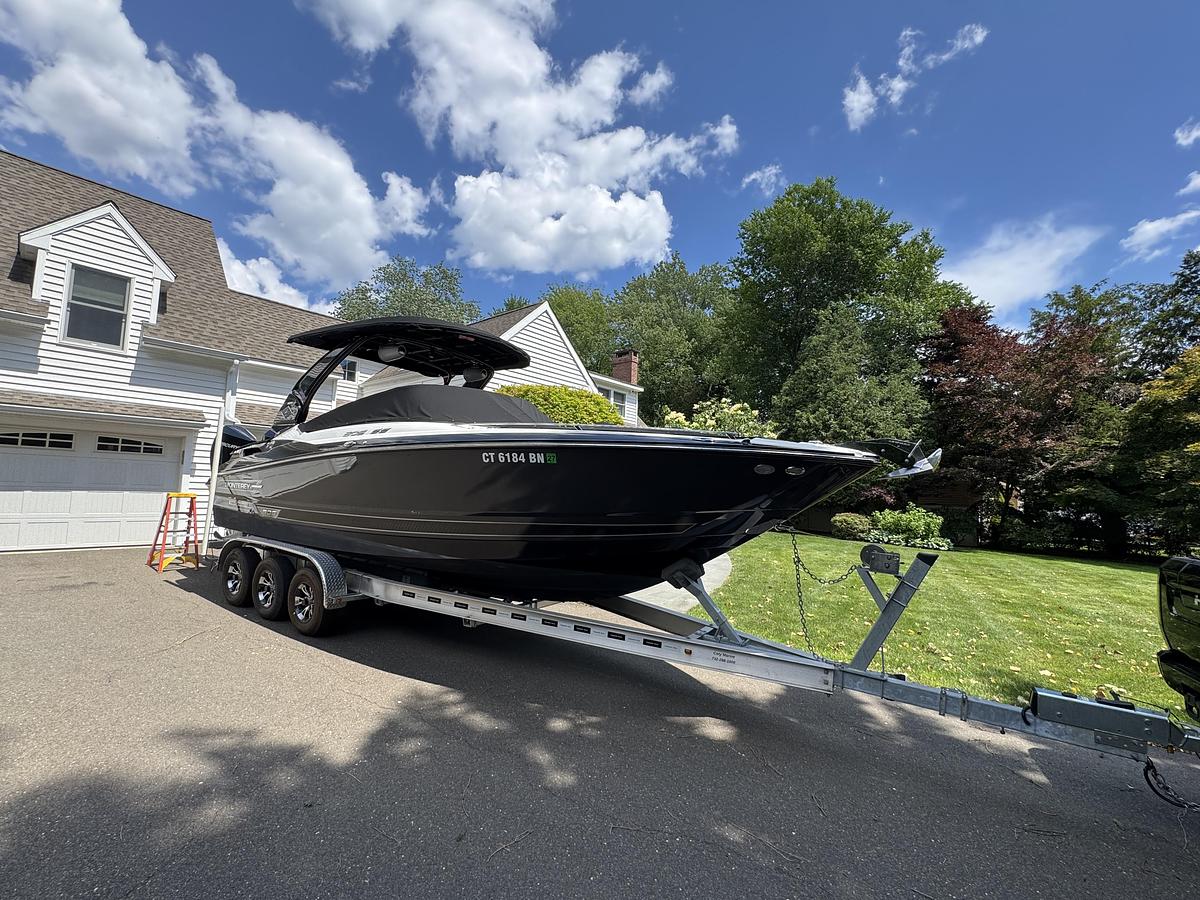
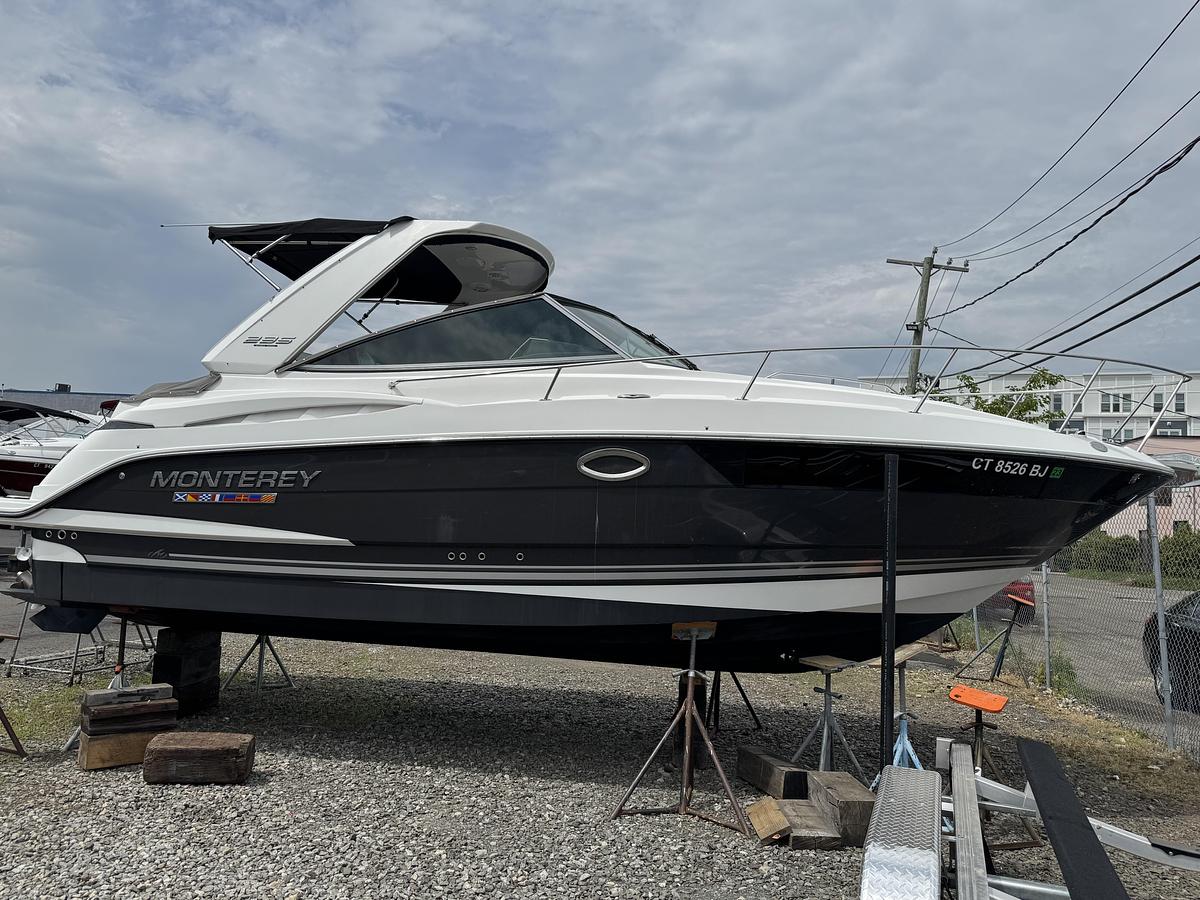
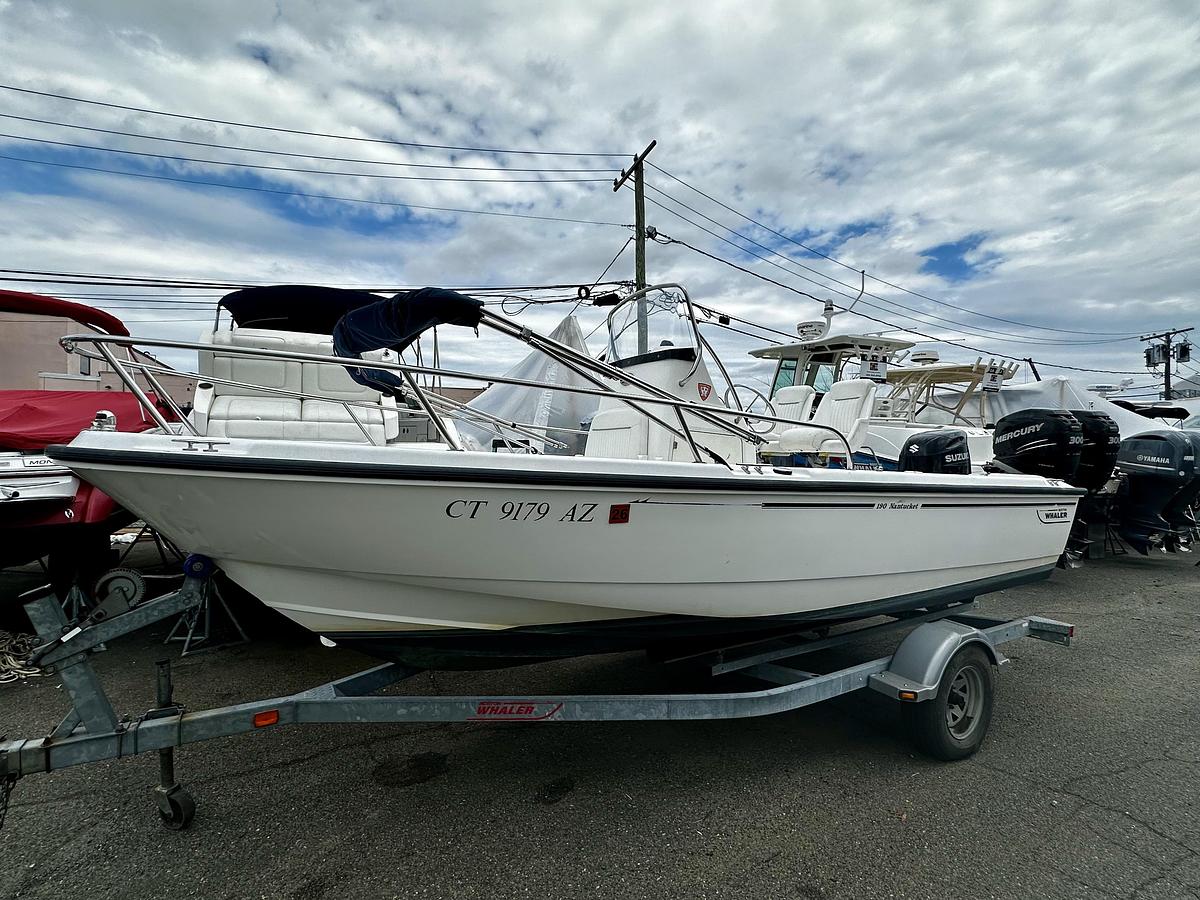
Here are some Connecticut specific points to get you going until you can get your own copy. Any vessel that is propelled by machinery of any horsepower, (gas, diesel or electric) or any sailboat 19.5 feet or longer, vessels visiting Connecticut waters for 60 days or more or any Coast Guard documented vessel must be registered through the Department of Motor Vehicle. The registration number must then be displayed on both sides of the bow in 3” block letters of contrasting colors, along with the validation decal which follows the last two letters of the number on either side.
There are two types of boating certificates that are required for operation of certain boats and for all PWC in Connecticut. A resident or owner of real property in Connecticut or owner of a boat that is required to be registered in Connecticut (any vessel propelled by machinery or sailboats 19.5’ or longer) must obtain a Safe Boating Certificate (SBC). To operate a personal watercraft (PWC), you must have a Certificate of Personal Watercraft Operation.
A Certificate of Personal Watercraft Operation will allow you to operate any recreational vessel, including both PWC and boats. You may have only one type of certificate, either Safe Boating Certificate or Certificate of Personal Watercraft. If you already hold a Safe Boating Certificate, you must return it in order to receive a Certificate of Personal Watercraft Operation. The certificate must be carried onboard the vessel whenever it is operated by someone required to have a certificate.
Anyone less than 12 years of age who has received a Safe Boating Certificate or Certificate of Personal Watercraft Operation who will be operating a boat powered by a motor of greater than 10 hp (not PWC) must also have onboard a person at least 18 years of age who has also been issued a boating certificate. That is to say that any person who takes and passes a Department of Environmental Protection approved exam may then operate a vessel in accordance with the guidelines above regardless of age.
The Connecticut regulations describe unlawful operation of a vessel as follows; weaving your vessel through congested waterway traffic or swerving at the last possible moment in order to avoid collision. Jumping the wake of a vessel unnecessarily close to the other vessel or when visibility around the other vessel is restricted is prohibited. Chasing, harassing or disturbing wildlife with your vessel is illegal. It is illegal to operate at excessive speeds; that is, speeds that cause danger to others or their property, or do not allow the operator to bring the vessel to a stop safely within a clear distance ahead. Under crowded conditions or periods of poor visibility, you must reduce your speed to account for these conditions. Unless taking off or landing a water skier, it is illegal to operate at above a slow no wake speed within 100 feet (or within 200 feet if a PWC) of shore, a dock, pier, float or another vessel at anchor or moored. It is illegal to operate above slow no wake speed within 100 feet of buoys marking a restricted swimming area or boat access area. It is also illegal to cause damage from the wake of your vessel. You must reduce speed when passing near marinas, fishing areas, swimming areas and vessels at anchor and obey all other posted speed regulatory signs as some waterways may have additional local speed.
Allowing passengers to sit or stand on the bow or gunwale of open or closed bow boats while underway, unless the boat is equipped with handrails and all passengers are inward of the handrail is illegal. Allowing passengers to hang any portion of their body over the bow or gunwale or beyond the handrail if operating at greater than steerage speed, is also illegal (and stupid). If there are insufficient personal flotation devices, fire extinguishers, backfire flame arrestors, ventilation or navigation lights or if the vessel is overloaded or overpowered, has leaking fuel or an excessive amount of water is accumulating in the vessel, you could be cited for illegal operation. Operating under the influence (.08 blood alcohol level) or without a proper muffling device is illegal. It is illegal to operate a vessel with a modified or operator modifiable exhaust system.
Towing a person behind any vessel requires a spotter 12 years of age or older in addition to the operator. Skiers must wear a Coast Guard approved, impact rated ski vest. It is illegal to tow a skier, on a tube without handholds, on a line exceeding 100’ (feet) or anytime ½ hour after sunset to sunrise. You must remain a reasonable distance from other vessels, people and property. If towing behind a PWC, it must be rated for three passengers, the spotter must sit facing aft and have handholds provided. Remember, these are only interpretations of the laws and regulations, you should obtain a copy of both the Connecticut and Federal rules as well as your operators certificate before you venture out on the water. To get your certificate through the Norwalk Coast Guard Auxiliary contact Flotilla 72 at 203-838-1200 or visit the DEP online for a list of approved classes in your area.
Categories: Captain John's Log